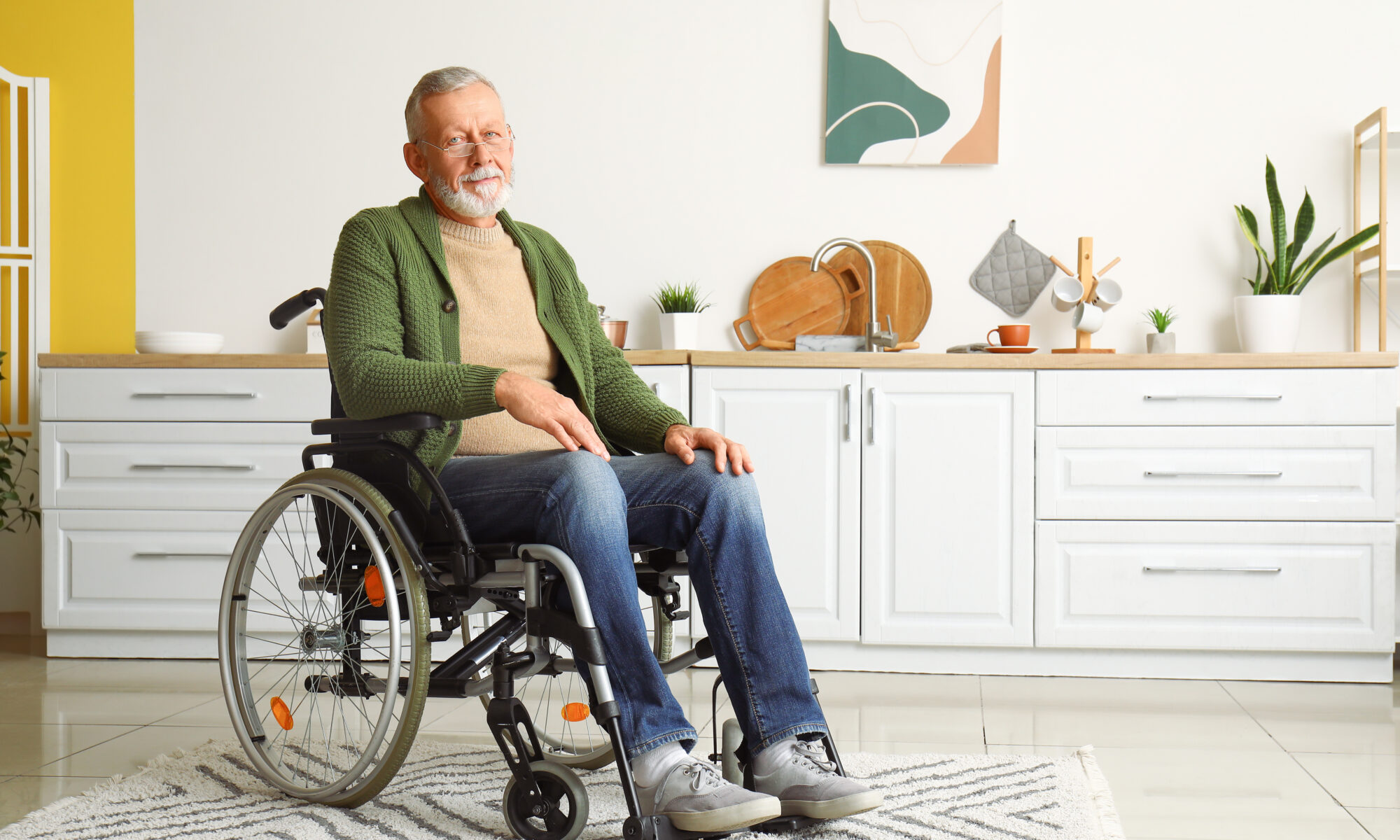
Recognizing when a senior loved one needs professional caregiving assistance can be challenging for families. Many caregiving situations develop gradually, making it difficult to identify the precise moment when additional support becomes necessary.
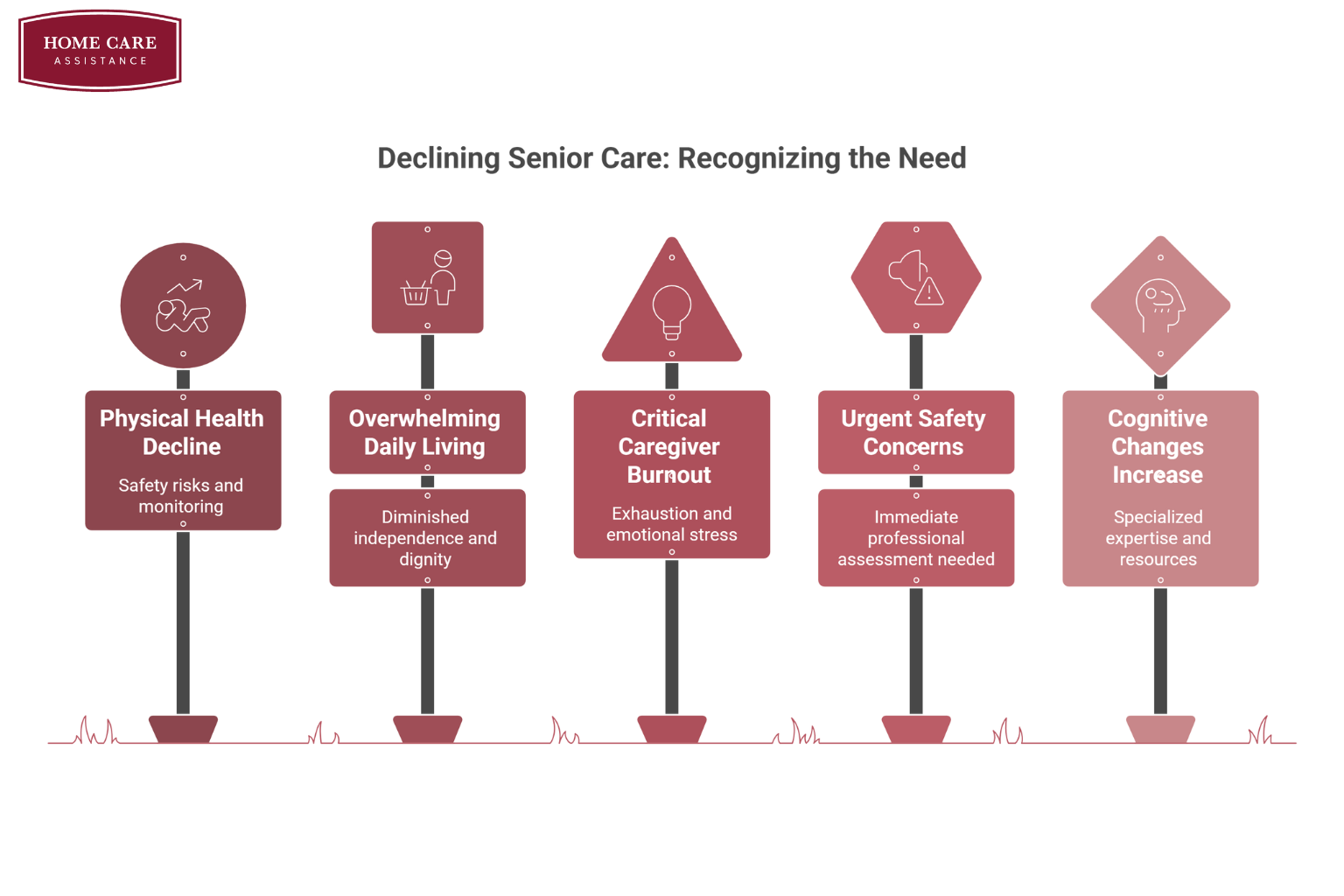
Physical Health Changes Require Specialized Attention
Physical problems often signal the need for professional intervention. Watch for these key indicators:- Frequent falls or mobility issues that increase safety risks
- Medication organization problems, including missed doses or confusion about prescriptions
- Personal hygiene neglect, such as infrequent bathing or wearing soiled clothing
- Unexplained weight loss or signs of poor nutrition
- Chronic health conditions that require specialized monitoring and care
Daily Living Activities Become Overwhelming
Independence in basic activities often diminishes gradually, making it easy to overlook mounting challenges. Professional help should be considered when your loved one faces difficulty with:- Meal preparation and cooking safety, including leaving appliances on or burning food
- Transportation needs for medical appointments and essential errands
- Household maintenance tasks like cleaning, laundry, or bill paying
- Grocery shopping and meal planning that results in empty refrigerators or expired food
Caregiver Burnout Reaches Critical Levels
Family caregivers often push themselves beyond healthy limits, but recognizing burnout signs is crucial for everyone’s wellbeing:- Physical exhaustion that interferes with work or personal relationships
- Emotional stress manifesting as anger, resentment, or depression
- Social isolation due to caregiving responsibilities consuming all available time
- Health problems developing in the caregiver from chronic stress and neglect of self-care
Safety Concerns Create Urgent Situations
Certain safety issues require immediate professional assessment and ongoing supervision:- Wandering behavior or getting lost in familiar places
- Fire hazards from forgotten cooking or improper use of heating devices
- Driving incidents or confusion about traffic rules and navigation
- Home security lapses like leaving doors unlocked or letting strangers inside
- Financial vulnerability to scams or poor money management decisions
Cognitive Changes Exceed Family Resources
Memory problems and cognitive decline present unique challenges that often require specialized expertise:- Severe memory loss affecting recognition of family members or familiar places
- Confusion about time, date, or current events that creates anxiety or agitation
- Personality changes or behavioral issues that family members have difficulty managing
- Communication difficulties that make it challenging to understand needs or preferences
- Complex medical needs requiring coordination among multiple healthcare providers