By Gary Hightower, 8:00 am on September 11, 2026

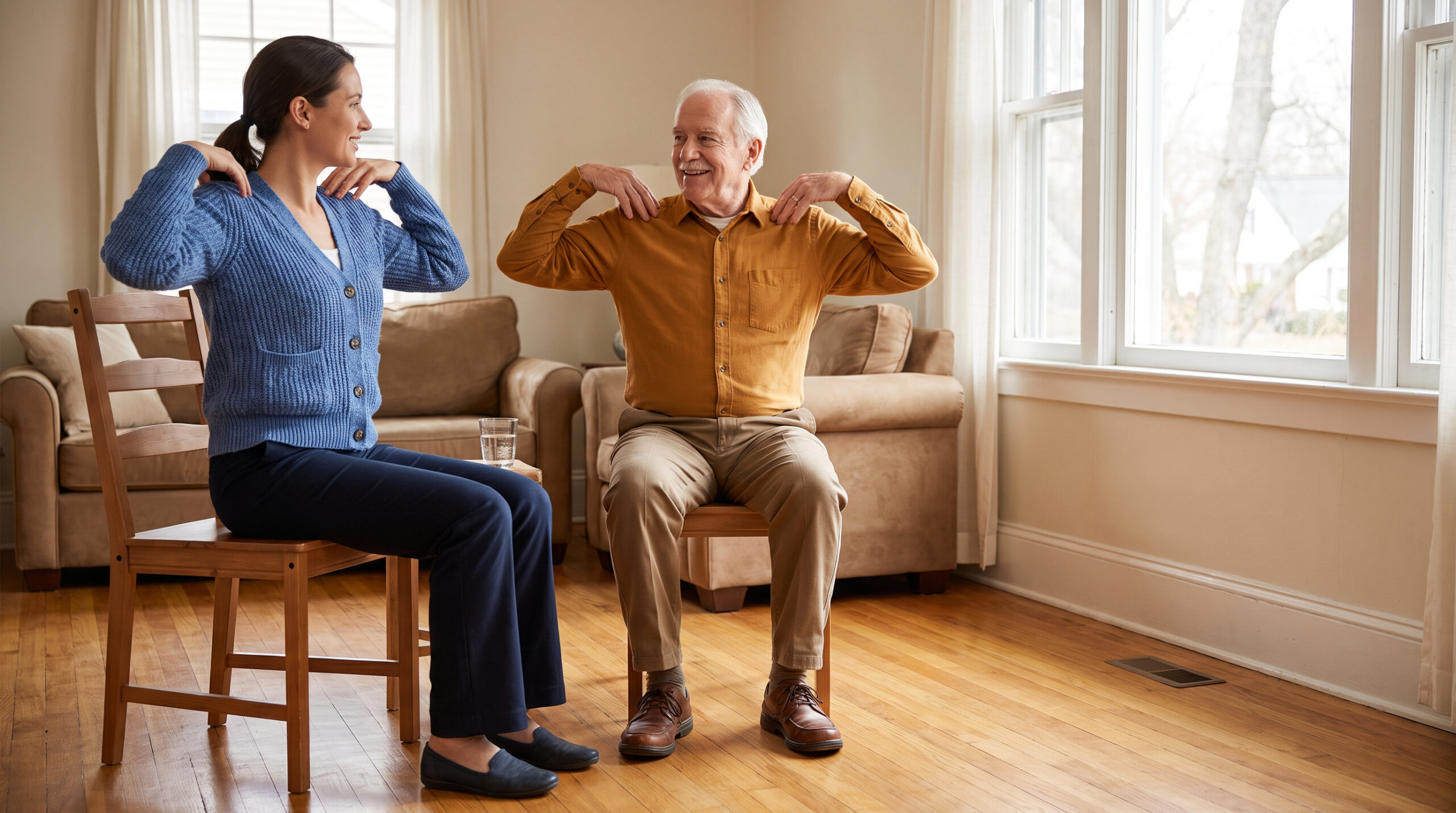
Daily exercise helps older adults maintain mobility, boost mood, and reduce the risk of chronic illness, making it one of the most impactful habits caregivers can encourage. Regular physical activity is one of the greatest gifts you can give a senior loved one in your care. Even gentle low-impact movement can meaningfully enhance quality of life for older adults living…


By Gary Hightower, 8:00 am on August 28, 2026

Recognizing pain in nonverbal dementia clients means watching for behavioral, facial, and physical cues—such as grimacing, restlessness, or guarding a body part—since these individuals cannot verbally express discomfort. Caregivers can manage this pain through careful observation, consistent routines, comfort measures, and detailed documentation of changes. Caring for someone with dementia who can no longer speak presents a unique challenge: how…

By Gary Hightower, 8:00 am on August 14, 2026

Specialized postoperative care at home prevents hospital readmissions by combining professional monitoring, proper wound management, medication oversight, and patient education in a familiar setting. This approach catches complications early, reduces infection risk, and supports faster, safer recovery. Studies show well-coordinated home care can significantly lower the chances of returning to the hospital after surgery. Why Do Patients Get Readmitted after…

By Gary Hightower, 8:00 am on July 31, 2026

Specialized transportation services in dementia home care provide safe, tailored travel options for individuals experiencing cognitive decline. These services help seniors attend social engagements and complete daily errands without compromising their personal security. By utilizing trained drivers and secure vehicles, families can ensure their aging loved ones maintain active and dignified lifestyles. What Are Specialized Transportation Services for Dementia Patients?…

By Gary Hightower, 8:00 am on July 17, 2026

The ethics of end-of-life decision-making in senior in-home care revolve around balancing a senior’s right to personal autonomy with the caregiver’s duty to provide comfort and prevent harm. These delicate choices require open communication, respect for personal values, and a deep understanding of moral principles. Navigating this process effectively ensures seniors maintain their dignity and quality of life during their…

By Gary Hightower, 8:00 am on June 26, 2026

In-home care helps seniors maintain their daily routines by providing personalized support with everyday household and personal tasks right in their own environments. This tailored assistance allows older adults to safely stick to their familiar schedules while preserving their independence. How Does Assistance with Personal Grooming Keep Mornings on Track? Caregivers can help seniors start their days smoothly by assisting…

By Gary Hightower, 8:00 am on June 12, 2026

The best resources for caregivers of veterans include the Department of Veterans Affairs (VA) Caregiver Support Program, dedicated nonprofit organizations, and community-based peer support groups. These essential programs provide emotional backing, financial guidance, and educational tools to help you navigate your caregiving journey. Exploring these options ensures you receive the support you need while caring for your senior loved one.…

By Gary Hightower, 8:00 am on May 29, 2026

Bedbound seniors require professional home care support because they need specialized attention, continuous physical monitoring, and assistance with daily hygiene that family members often cannot safely provide. Without expert help, immobility can quickly lead to severe health complications like pressure ulcers, muscle atrophy, or respiratory issues. Hiring trained caregivers ensures these vulnerable individuals receive the compassionate, high-quality care necessary to…

By Gary Hightower, 8:00 am on May 15, 2026

Home care extends far beyond basic physical assistance by providing essential emotional support, companionship, and cognitive stimulation to individuals living independently. This holistic approach ensures people not only stay safe in their environments but also maintain their dignity and overall mental wellbeing. How Does Companionship Boost Mental Health? Consistent companionship from a caregiver significantly reduces the risk of anxiety and…

By Gary Hightower, 8:00 am on April 24, 2026

When speaking to a senior loved one with dementia, avoid correcting his or her reality, using patronizing language, rushing conversations, or showing frustration. These approaches can cause confusion, distress, and damage to the relationship. Instead, focus on validating your loved one’s feelings, using simple language, and maintaining patience throughout your interactions. Should You Correct Seniors with Dementia When They’re Confused?…