
Home care extends far beyond basic physical assistance by providing essential emotional support, companionship, and cognitive stimulation to individuals living independently. This holistic approach ensures people not only stay safe in their environments but also maintain their dignity and overall mental wellbeing.
How Does Companionship Boost Mental Health?
Consistent companionship from a caregiver significantly reduces the risk of anxiety and depression. Having someone present to talk to and share experiences with offers profound psychological benefits, including:- Decreased feelings of loneliness and isolation
- A renewed sense of purpose and belonging
- Lowered stress levels through regular social interaction
What Role Does Emotional Support Play in Daily Life?
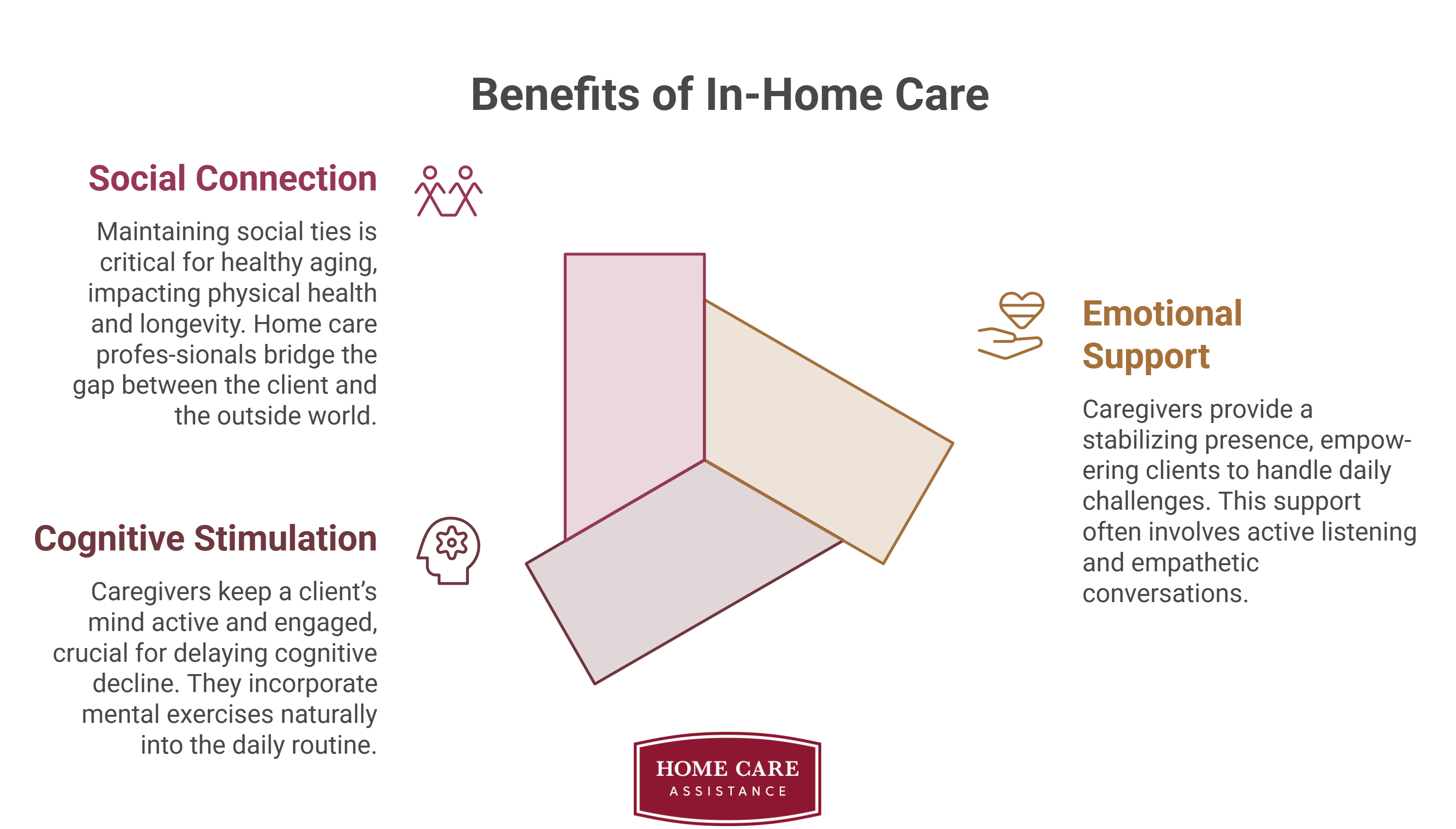
Emotional support helps individuals navigate the frustrations and fears that often accompany aging or recovering from an illness. Caregivers provide a stabilizing presence that empowers clients to handle daily challenges. This support often involves:- Active listening and empathetic conversations
- Encouragement during difficult physical or mental tasks
- Building a trusting relationship that fosters personal confidence
Can Home Caregivers Help with Cognitive Stimulation?
Yes, caregivers are instrumental in keeping a client’s mind active and engaged, which is crucial for delaying cognitive decline. They incorporate mental exercises naturally into the daily routine. Common activities include:- Playing board games, card games, or completing puzzles
- Reading books aloud and discussing the stories
- Engaging in meaningful conversations about past memories and current events
Why Is Social Connection Essential for Seniors?
Maintaining social ties is a critical component of healthy aging, directly impacting both physical health and longevity. Home care professionals bridge the gap between the client and the outside world. They facilitate connection by:- Assisting with technology to help clients video chat with family and friends
- Accompanying clients to community events or social gatherings
- Providing reliable, friendly faces clients can look forward to seeing each week
Frequently Asked Questions
What exactly does home care include? +
Home care includes physical assistance with daily tasks like bathing and dressing alongside vital emotional support, companionship, and cognitive engagement.
How do caregivers provide emotional support? +
Caregivers build meaningful relationships with their clients through active listening, participating in shared hobbies, and offering consistent compassionate daily interactions.
Why is companionship important for older adults? +
Companionship directly combats the severe health risks associated with isolation, reducing feelings of depression and loneliness among seniors living alone.
Do home caregivers help with mental exercises? +
Yes, professional caregivers routinely engage clients in brain-stimulating activities like puzzles, reading, and structured conversations to keep their minds sharp