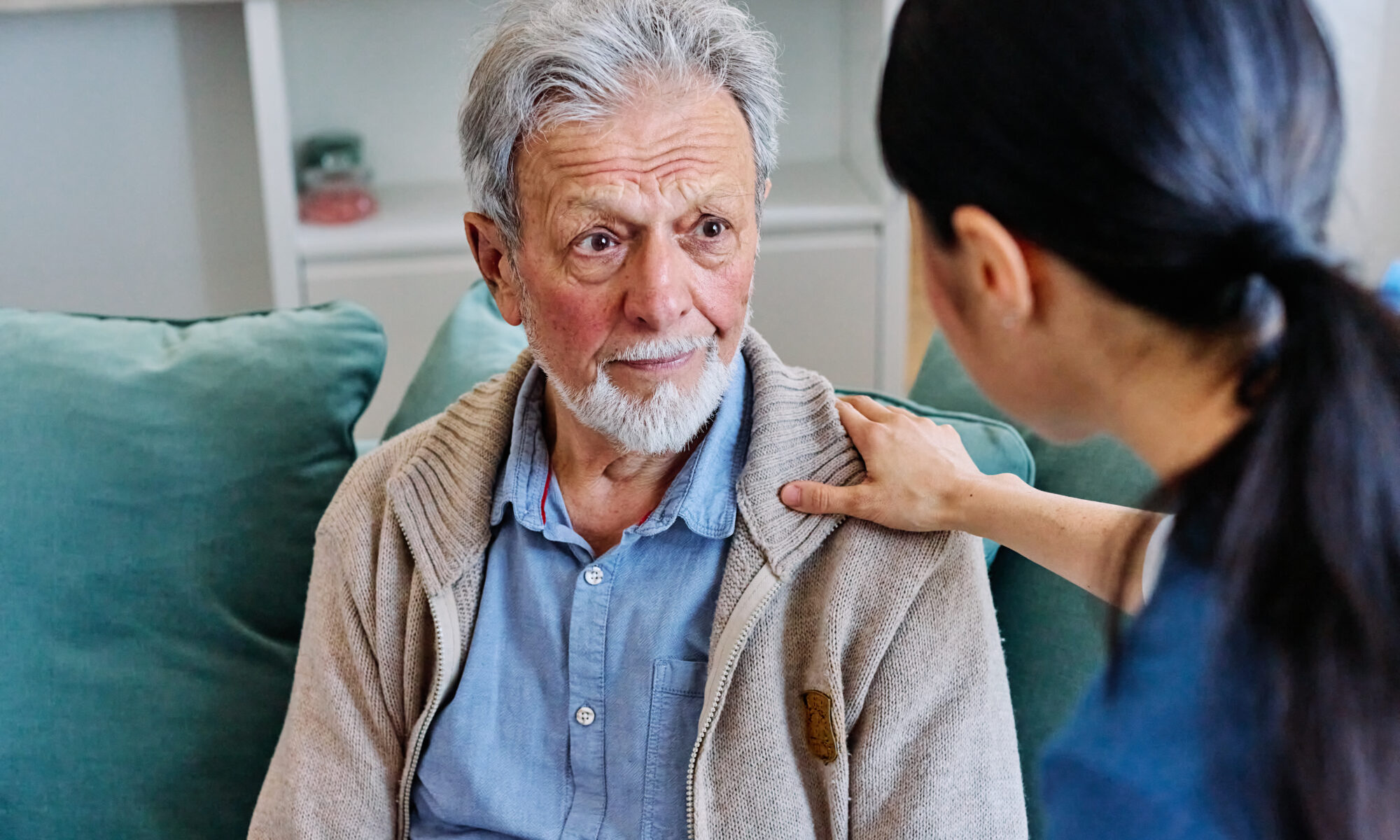
What Emotions Are Normal to Feel as a Dementia Caregiver?
Virtually every emotion you experience as a caregiver is valid. Common feelings include:- Grief – Mourning the person your loved one used to be even while he or she is still alive
- Guilt – Questioning whether you’re doing enough or feeling relieved on hard days
- Frustration – Especially when communication breaks down or behaviors become unpredictable
- Loneliness – Feeling isolated even when surrounded by others
- Love and fulfillment – Moments of genuine connection that make caregiving worthwhile
How Can Caregivers Manage Feelings of Grief and Loss?
Dementia caregivers often experience what’s known as ambiguous loss—grieving someone who’s still physically present but changing. To process this:- Allow yourself to grieve without judgment.
- Keep a journal to track your emotions and reflect on positive moments.
- Look for small meaningful ways to stay connected with your loved one despite his or her changes.
- Seek out a grief counselor or therapist familiar with caregiver experiences.
How Do You Set Realistic Expectations when Caring for Someone with Dementia?
Dementia is a progressive condition, which means behaviors and needs will shift over time. Setting realistic expectations can reduce frustration and disappointment:- Educate yourself on the stages of dementia so you know what to anticipate.
- Accept that some days will be harder than others and that’s not a reflection of your effort.
- Focus on what your loved one can still do rather than what he or she has lost.
- Adjust your definition of success: a calm afternoon together is a win.
Why Is Building a Support Network So Important for Dementia Caregivers?
Caregiving alone is unsustainable. A strong support network reduces burnout and boosts your emotional health. Consider:- Joining a local or online caregiver support group to connect with others who understand your experience
- Delegating tasks to family members or trusted friends when possible
- Connecting with organizations like the Alzheimer’s Association for resources and community
- Exploring respite care options to give yourself planned breaks
How Can Caregivers Prioritize Their Own Wellbeing?
You cannot pour from an empty cup. Protecting your own wellbeing directly benefits the person you’re caring for:- Schedule regular time for activities you enjoy, even if only for 20–30 minutes a day.
- Maintain basic health habits, especially sleep, nutrition, and movement.
- Set boundaries around your time and energy without guilt.
- Acknowledge your limits and ask for help before you reach a breaking point.
Frequently Asked Questions
Is it normal to feel resentment toward the person I’m caring for? +
Yes. Resentment is a very common caregiver emotion and doesn’t mean you love the person any less. It’s a signal you may need more support or rest.
How do I stop feeling guilty about taking time for myself? +
Remind yourself that self-care isn’t selfish. Caregivers who are rested and emotionally regulated are better able to provide high-quality care to their loved ones.
What is caregiver burnout, and how do I know if I’m experiencing it? +
Caregiver burnout is a state of physical, emotional, and mental exhaustion that can develop when caregivers neglect their own needs over time. Signs include chronic fatigue, withdrawal from others, and feeling hopeless or overwhelmed.
How can I communicate better with someone who has dementia? +
Use simple, short sentences, maintain eye contact, speak calmly, and rely on nonverbal cues like touch and facial expressions to foster connection.
Are there support groups specifically for dementia caregivers? +
Yes. Organizations like the Alzheimer’s Association offer both in-person and virtual support groups tailored specifically to dementia caregivers.