
Why Is Physical Activity Important for Seniors at Home?
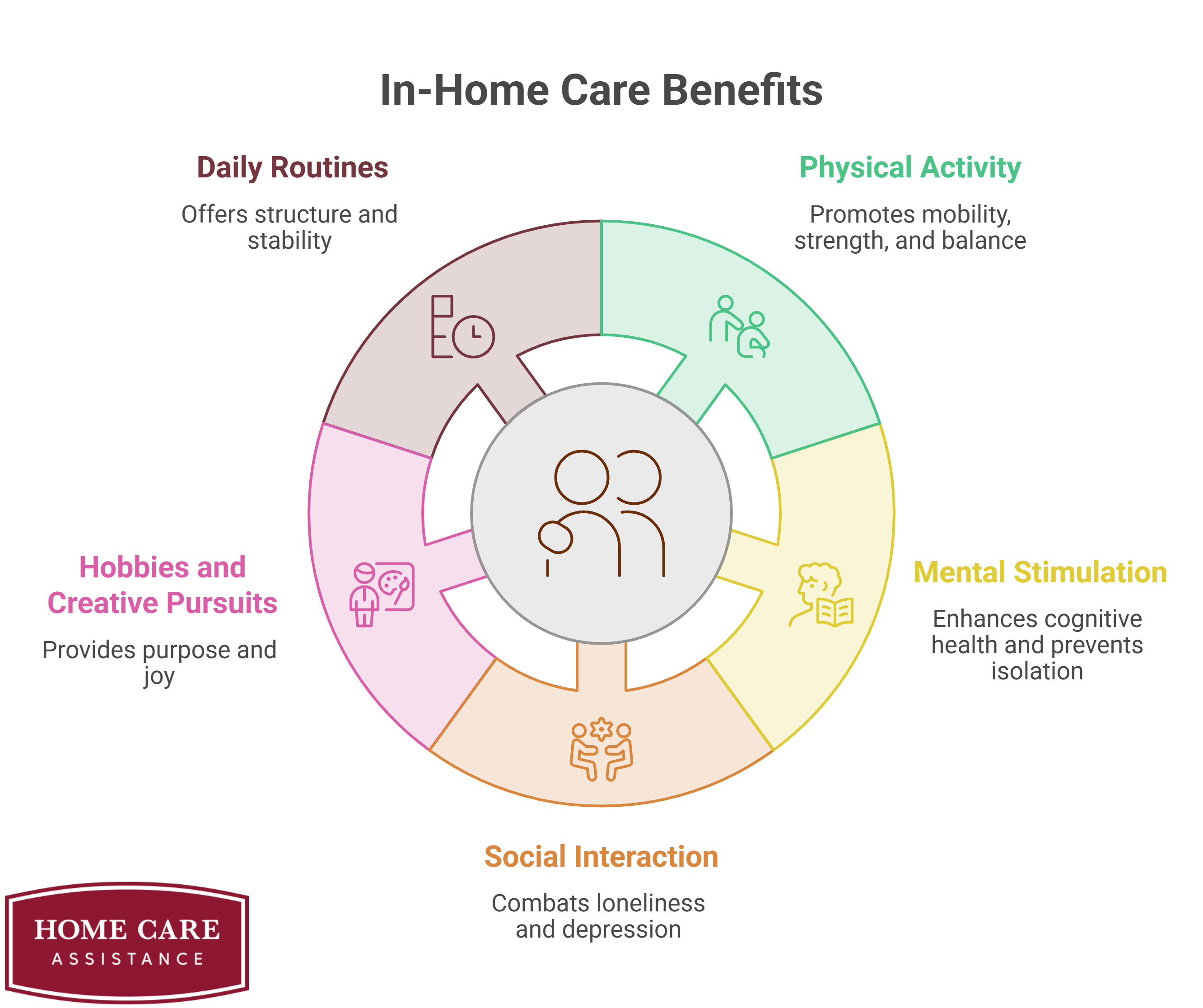
Regular physical activity helps seniors maintain mobility, strength, and balance, reducing the risk of falls and chronic health conditions. Home care providers can:- Guide seniors through gentle exercises like stretching, walking, or chair yoga
- Assist with physical therapy routines prescribed by healthcare professionals
- Encourage daily movement through household tasks and light gardening
- Monitor physical limitations and adjust activities accordingly
How Does Home Care Support Mental Stimulation?
Mental engagement is essential for cognitive health and preventing feelings of isolation. Caregivers can facilitate activities that challenge the mind and spark curiosity:- Reading books, newspapers, or magazines together
- Playing card games, doing puzzles, or using brain-training apps
- Discussing current events or reminiscing about past experiences
- Learning new skills like painting, cooking, or using technology
What Role Does Social Interaction Play in Senior Wellness?
Social connection combats loneliness and depression, which are common challenges for seniors living at home. Home care professionals foster engagement through:- Meaningful conversations and active listening
- Facilitating video calls with family and friends
- Accompanying seniors to community events or places of worship
- Coordinating visits from neighbors or volunteer groups
How Can Hobbies and Creative Pursuits Enhance Daily Life?
Pursuing hobbies gives seniors purpose and joy while maintaining a sense of identity. Caregivers can support creative expression by:- Helping seniors continue lifelong hobbies like knitting, woodworking, or music
- Introducing new activities based on the senior’s interests
- Organizing supplies and creating accessible spaces for creative work
- Celebrating achievements and displaying finished projects
What Daily Routines Help Seniors Stay Active and Engaged?
Consistent routines provide structure and stability while incorporating varied activities throughout the day. A well-planned schedule might include:- Morning stretches or a short walk
- Engaging breakfast conversations
- Mid-morning activities like reading or puzzles
- Light household participation, such as folding laundry or preparing simple meals
- Afternoon social time or hobbies
- Evening relaxation with music or television
How Does Transportation Support Dementia Care in Burleson, TX?
Families in Burleson face this challenge in a very specific way. The city grew outward as a Fort Worth suburb, and most neighborhoods along Highway 174 and I-35W were never designed to be walkable. Once a senior stops driving, getting to the Burleson Senior Activity Center or a routine appointment becomes difficult without help. A caregiver who provides reliable, trained transportation can be the one change that keeps a Burleson senior connected to their community instead of isolated at home. To learn more about how Home Care Assistance supports Burleson home care families with transportation and daily support, reach out to our care team today.Frequently Asked Questions
What if my loved one resists participating in activities? +
Start with activities your loved one has always enjoyed and introduce new options gradually. Caregivers can make activities feel less like obligations by incorporating them naturally into daily routines.
How can home care help with technology to stay connected? +
Caregivers can teach seniors to use smartphones, tablets, or computers for video calls, social media, and entertainment. They provide patient instruction and ongoing support as seniors build confidence.
Is a surety bond required for small businesses?+
Absolutely. Seated exercises, audiobooks, crafts, and conversation-based activities work well for those with mobility challenges. Caregivers adapt activities to each individual’s capabilities.
How often should caregivers introduce new activities? +
Balance is key. While familiar routines provide comfort, introducing something new every few weeks prevents boredom and encourages continued learning.
Can home care coordinate group activities with other seniors? +
Yes. Many home care services can arrange small group outings or facilitate connections with local senior centers, allowing for peer interaction while maintaining personalized support.